Adoption Parenting with Love and Limits
Helping children succeed through connection, encouragement, and emotional safety rather than fear-based discipline. Families explore why limits are so hard for adopted children, what a loving limit sounds like, and how to hold a boundary without abandoning love.
Presenter: Bryan PostRecorded Sep 202677 minEnglish · Captions (CC)
What you'll learn
- Love without limits can become chaos, and limits without love can become fear. Bryan Post explains why parental guilt is the one barrier to effective limit setting, and why limits should teach, not punish.
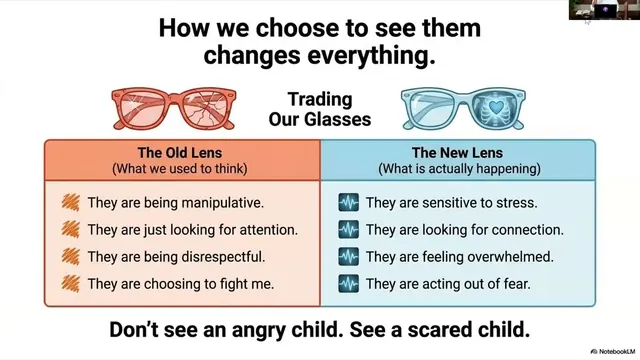
- How to stop seeing your child as angry, defiant or manipulative and start seeing them as “stress sensitive and fearful” (write it on an index card), because behavior is the language of stress.
- Why limits are so hard for adopted children: every limit carries a transition, and under stress a child whose first transition was traumatic can regress, so your 15-year-old may be reacting like an infant.
- Two stressed people cannot create regulation, so the parent must go first: notice the urge to control, suppress or change, take three to ten deep breaths and ask, “Why am I reacting this way?”
- Empathy and accountability can coexist: “I understand why you're angry, and that doesn't mean you can hit me.” Ignore the attitudes, encourage the feelings, and instead of “calm down,” try “Give it to me.”
- The love plus limits formula: see the stress, breathe, connect before you correct, hold the boundary, encourage the emotion, then repair. When a child can't keep a limit, make it tighter instead of punishing.
Transcript Show full transcript +
0:00I'm good morning. Good morning all of my beautiful people. Thank you for joining me. I'm Bryan Post. I'm going to be teaching you today. I believe our topic today is adoption parenting with love and limits and it is 11 o'clock and we are going to get started and feel free. I have moderators in the chat so feel free to ask questions. If something really pressing comes up then they'll just interrupt me and we'll answer some questions. I am going to lecture for about the next hour specific to this topic and I might even look in the chat from time to time and see if there's something that is really pressing and then at the end of the hour I will not only give you a
0:56free gift but I will answer a few questions that you put into the chat. So that's it. Let's get this thing rocking and rolling. I'm going to share my screen with you. Everyone should be able to see that. I'm going to shrink me over here in the corner. Get this thing going. Okay adoption parenting with love and limits, creating connection without losing leadership. Love without limits can become chaos. Limits without love can become fear and when we are talking about a fear, a love based perspective to parenting, to discipline. A lot of times it's easy to misconstrue
1:55being loving and understanding and accepting and compassionate with being permissive and passive and lenient. So they're actually two very different things but they all depend on how you see your child and I want to establish this right from the beginning. Those of you who are struggling with limit setting right now, this is not a new thing. This is an outcome to a process that has been followed for probably some years and I will tell you the one barrier to effective limit setting between parents and children is parental guilt. 9 times out of 10 as parents we fill some amount of guilt that doesn't allow us to consistently
2:53set limits like we should and then we give in and before you know it we've set a precedent but what happens is not only are you setting a precedent but you are conditioning your child's brain and your brain even that there's only a certain amount of things that have to go on before you give in and then that is actually changing the synaptic connection and so you want all of a sudden at 12 you want your child to start following these limits which is an outcome of this process that you've allowed to go on since they were probably two and so at 12 as you as all of you know and some of you are experiencing getting your child to accept limits is a lot more difficult than it would have been at two but that's where we're at and I first
3:48really started kind of stepping to the understanding of the limit setting when I was running an adolescent boys group home we had boys ages 13 to 18 and this was a group home that we had that we did not do consequences we didn't do timeout we didn't do points and rewards we did not do behavior modification we didn't do any of the same stuff that I teach all the time what we focused on was relationship and this is this is another real sticking point with setting effective limits is that you believe that your focus on the behavior is what is going to get your child to suddenly fall within the limits and that's not the case the focus on the behavior
4:43is usually the reason that you've not been able to set effective limits all along because it has nothing to do with the behavior limits should be to teach and not to punish to teach and not
5:02to punish so let's go ahead and get into this the questions we ask determine the answers we find traditional parenting ask how do I stop this behavior what consequence should I give and how do I make them listen now what you're hearing there is traditional parenting is focused on the behavior a trauma responsive parent ask what is happening beneath this behavior what is my child experiencing and what does my child need from me right now because behavior is communication see these are two different paradigms and I always say you can't take my paradigm of parenting and place it in a traditional old paradigm approach it doesn't work it doesn't work so you have to be committed to doing and thinking and seeing something in a completely different way you have to be committed to that so that's going to
6:01cause you to have to to to bounce up against a lot of old belief patterns that you've had and I'm the first to believe that our traditional parenting methods that have been taught to us not only are they're not effective because let's just be honest you've probably you've probably been following traditional perspectives in order to try to get your children to accommodate to limit setting and it hasn't worked so now you're hoping to learn a new tool or technique and I don't just teach tools and techniques I teach a completely different way of seeing and doing and feeling and interacting I teach it from a completely different paradigm and so the first real big part of that is you have to stop seeing your child and their behavior as being angry defiant manipulative disrespectful and disobedient that's old and outdated belief systems that's
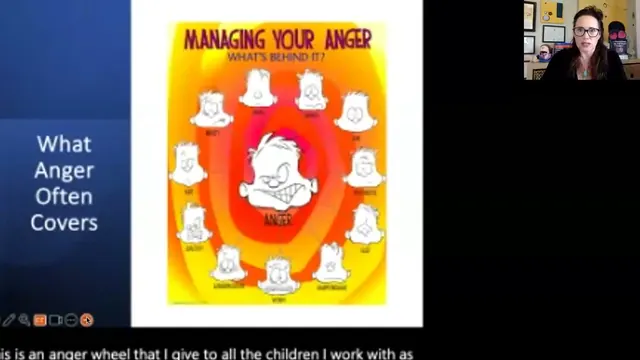
7:00what you've been conditioned to believe for generations in fact here's what I want you to do especially as adopted parents I no longer want you to focus on anger defiance manipulation disrespect and disobedient those are nothing more than symptoms on the tree they're nothing more than the tip of the iceberg they're nothing more that signals signals that your child is giving you that they're in a state of distress that's all they are being angry is a feeling expression being defiant is a is an attitude and a feeling expression manipulation same thing attitude feeling that's also kind of a behavior being disrespectful as an attitude being disobedient is an attitude in a feeling state so these are all ways that children use to transition what if I told you this what if I told you that these were all ways that children use to transition energy out of their bodies so that they can actually go and do what
8:00it is that you asked them to do but in the process of them of them being angry defiant manipulative disrespectful disobedient you get stressed because you have generations of condition that tell you that this is not okay and so then you react in a negative way which then makes it impossible for them to actually transition the energy because it forces the energy to stay stock I don't want you to see children this way anymore I want you to start seeing your children as stress sensitive and fearful I don't want you to see diagnosis I want you to see your child as stress sensitive and fearful write that down stress sensitive and fearful put it on an index card put it in your in your calendar on your phone so that it will signal you you know a few times a day to just just say stress sensitive and fearful this is a completely different way of looking at your child it is not a traditional perspective because behavior is the literal language
9:02of stress see you're not you're not taught that you're not taught that when it comes to to working with challenging children you're taught that behavior is something to be controlled suppressed or changed and then what we what we don't realize that in the process of trying to control suppress and change behavior you're actually losing relationship and when you lose relationship you lose all ability to influence your child because the true reality is you can only control your child until they get to a certain age and that's usually early early adolescence these days because of the stress that we're under as a society that's actually starting much sooner so so parents are losing the battle of control much sooner but this is what our society has taught us our society has taught us to focus on the behavior instead of focus on the relationship
9:59when in fact behavior is the language of stress so when a child is acting out it's because they're stressed out and you've heard me say this before if you've been on these classes before an acting out child is a stressed out child is a regressed child and when you're focused on the acting out you're just focusing on the tip of the iceberg but that's what your amygdala makes you do that so if you think about the 15 year old standing in front of you who may be emotionally be functioning like a five year old in that moment that 15 year old who's being defiant that 15 year old who's not abiding by the limit that 15 year old who's who's disrespecting you that you've been conditioned to believe literally been conditioned by for generations you've been conditioned to believe that that's this disobedience that's disrespect it's manipulation it's control so then you fight back against that and you try to control suppress and change the behavior
10:56and then what you don't realize is that the 15 year old you're actually seeing as a threat is is no more than a five year old an acting out child is a stressed out child is a regressed child
11:11the biggest problem to that is that when our children are acting out it stresses us out which causes us to regress and then we act out from that regressed state your child is not the only nervous system in the room this is the thing we are always talking about setting limits we're always talking about setting limits but we're not we're never reflecting on our own internal state we've been conditioned to believe that this thing that you do with your child called parenting is something you do to your child as opposed to something you do for them so then we get we start getting getting into these dropping into these control battles all the time because parenting is doing something too instead of doing something for you know our children are not supposed to come in they do not come into the world having it all figured out
12:06they come into the world with with with a dependence on our adult regulatory experience on our adult regulatory expression on our ability to be effective disciples which requires us to be able to be calm and present and connected and to think clearly and to be able to remember so if you think about your child who starts to become stressed and then let's talk about this for just a moment just a real quick hot minute your child becomes stressed they're sending a vibration from their amygdala Daniel first time I ever heard this was 20 something years ago I was listening to an audio program by Daniel Goleman who was the author of Emotional Intelligence he says the stressed amygdala sends a signal sends a vibration to the other amygdala
13:04and the amygdala with the strongest vibration is the one that wins so your child becomes stressed and they're sending a vibration to your amygdala which is your fear receptor your fear receptor receives that vibration when your fear receptor receives that vibration it sends an impulse into your brainstem looking for a matching a matching memory and this is unconscious and then that matching memory turns on and that's what drives your feelings and your behaviors so then the parent reacts so the child becomes stressed the parent reacts the parent becomes stressed the child becomes more stressed and the behavior escalates and this is a negative feedback loop two stressed people cannot create regulation I want you to remember this this is this is this is so important
14:09two stressed people cannot create regulation and if two stressed people cannot create regulation and when your child is acting out it's because your child is stressed out because your child is
14:24regressed now what does regressed mean Allan Schore is a neuroscientist says that some adults in the midst of stress have the ability to revert to infancy you've heard that Prince sing about that act your age, not your shoe size right well we do that why because we become stressed then we regress now Bruce Perry says in times of stress we revert to our developmental zones of comfort you know what your developmental zone to comfort I did a I did a but oh it's my Bondify Q&A which I'll tell you about about the at the end of this session today but um last week I talked about this and I think I talked about yesterday on my podcast in times of stress we revert to our developmental zone of comfort you know what your developmental
15:22zone of comfort is your developmental zone of comfort is the time in your life that you felt the most comfortable before a stressful potentially traumatic event occurred remember trauma is any stressful event which is prolonged overwhelming and unpredictable and when that event continues on unexpressed unprocessed and misunderstood that creates the difference between a short-term stressful experience versus a long-term life and brain altering traumatic experience so when you're not able to express process and understand and you could just just take one moment and think about any traumatic experience in your life and ask yourself did I have an opportunity to really talk about it as much as I needed to did I have an opportunity to really feel
16:18through it have all the range of feelings that I needed to have and did I have an opportunity to talk about it and feel about it until I could come to some understanding of it if you did not have the ability to do that around painful stressful traumatic experiences in your life then you more than likely have some unexpressed trauma energy that's still lingering in your body now follow me here in times of stress we've revert to our developmental zones
16:55of comfort now what if we're talking about adopted and foster children if we're talking about adopted and foster children and let's start with an adopted child let's say an adopted child who was placed for adoption at birth like myself I was placed for adoption at birth my biological mother said told me she loved being pregnant so for the first seven months of my life she loved being pregnant ate the right foods didn't drink and smoke got plenty of sleep got plenty of exercise and so I asked her when I met her at the age of 37 I said when when did you know that you couldn't keep me she said at the seventh month see I was supposed to have been aborted that's that's what my mother was told to do she was told to abort me but she did not abort me she carried me to term obviously because I'm still here she said at seven months I knew I
17:50was not going to be able to keep you and so I had to act like I had to pretend that you weren't there now that because I was still in her womb so I'm still a part of her I'm still connected to her that may not have been the most overwhelming stressful thing but I assure you that when I was then separate when I was born thereby separated from the only thing I knew for nine months that was the first significant traumatic experience in my life and I there have been times in my life when I've been so stressed I felt like an infant all over again but see I'm very aware of this I'm very mindful of this and so after a lot of work I could pay attention to this but how many of your adopted foster children had that as their first their first major not only as a major
18:45transition now think about this I tell adopted foster parents this whole time usually the first transition for your adopted foster child was was a traumatic transition therefore transitions become a very difficult thing for them because when you stress and you regress to your developmental zone of comfort guess what in a transition because Bruce Perry also says okay what happened there I just lost my I just lost my uh so I think one of my co-hosted that I don't I don't I don't yeah it's okay I'm gonna leave I'm gonna leave it I'm gonna leave it undone for for the moment but just if that was one of my co-hosts that kicked me out of that I don't do that unless I just get a feeling that I need to stop the share so I can just talk yeah I realize I talk a lot and don't
19:41always share the share the slides but just for future let me control that please if your first major transition was in fact a traumatic one then as you get older when you become stressed you will revert to that right before that that that developmental interruption and so then when you revert say you're 15 your stress you revert back to that interruption that developmental zone of comfort may have been in utero so you think that you're dealing with a 15 year old in the moment and you're not dealing with a 15 year old at all you're dealing with an infant you might be dealing with a feat a literal fetus and so so when we
20:44start talking about setting limits it is really important to number one understand transition especially with adopted and foster children transitions are challenging so you have to understand that your child is not just physically present to you in that moment they are they have an emotional reality they have an emotional reality that they are that they are being challenged by and that they are working through in order to get to the place to accept the limit see limits limits have a lot of transition inherent in them and if I'm if I'm in the if I'm in the child if I'm a child in the midst of experience a parent setting a limit with me and that limit is stressful and triggering because it is it is
21:40conducive of some kind of transition experience then what happens is when that signal hits my amygdala my my amygdala goes down into my brainstem sends an impulse down into my brainstem and I go whatever gets released is what I become that is my that becomes my that becomes my living experience because when you are stressed your emotional memory takes over all your other levels of memory you have a cognitive level of memory you are you first of all you have a yeah you have a cognitive you have emotional you have a motor and you have a state so when you become stressed cognitive motor emotional state when you become stressed and this is like how many times have I been saying this we've been if you've been joining me on these on these webinars everything we're talking about is not cognitive trauma is not cognitive trauma is emotional trauma is emotional parenting is not cognitive none none of this is an absence
22:42is an absence of what you know this is this is the presence of what you experience in the midst of stress so when the emotional gets triggered driven by the state level of memory it directs all the other levels of memory okay all right keep going here it's funny
23:08examining our inherited parenting blueprint so this is what becomes important when you become stressed as a parent the impulse of stress drops down into your amygdala which then causes an impulse down into your brain stem which then is looking for a matching experience related to these kinds of things now look at this lying what what are your blueprints your blueprints are what you grew up experiencing lying what was your experience with lying when you were a child stealing refusing screaming being disrespectful rejecting affection you're not my real mom and dad see that's a lot of times adopted children say that all the time because they learn they get such a buzz they get such a stress buzz from from the adoptive
24:06parent when they say that it becomes one of those little signals that they that they just come to rely on because it's a safety mechanism because the child says all these is the child's doing all of these things because these are all defense mechanisms these are all safety mechanisms they're survival reactions they keep the child protected the lying protects the child the stealing protects the child the refusing protects the child the screaming protects the child the disrespecting protects the child see you're not thinking of it that way though you're not thinking about these behaviors being protective you're thinking about these behaviors being bad based on the fact that your amygdala based on generations of conditioning has conditioned you to believe that behavior is the problem when in fact behavior is not the problem behaviors
25:04the opportunity so difficult so difficult i mean when i say a different paradigm i literally mean like i am talking to you from a different planet i live on a different parenting planet so i am talking martian and you're on earth and you are hearing me send this signal from from my planet which sounds like gibber jabber it's like you can't even hear someone's probably already pissed off just from something i've said but that's what i'm saying you're you're only pissed because you can't hear what it is i'm saying so it's causing a lot of conflict it causes a lot of conflict in your brain it causes a lot of conflict in your heart because it goes against what you've been conditioned to believe but if you had it figured out you would not have shown up here today
26:03and i just i want to say that honestly and sincerely because i want you to have an honest reflection because authenticity is the highest frequency that exists and until we get really authentic with ourselves and one another we're going to keep struggling so i'm telling you all these things create a stress reaction which thing causes you causes an impulse that drops down into your brain stem and when it drops down into your brain stem it is going to stir up all the blueprints from how you were taught these things as a child so stress pulls us backward toward familiar generational reaction see these are not just these dynamics are not just dynamics in the present day september 22nd 2026 it's not just coming from you know the last 10 years of being an
27:07adoptive parent or being a foster parent or even being a biological parent it's all the same in my brain it's all the same well my planet it's all the same because it all comes down to human relationships and human relationships all come down to vibration exchanges so it didn't just start as a parent you are programmed from past generations the reason it feels so intense to you is because the energy is coming from the programming of past generations so it's the it's the energy the energy and the conditioning from the past generations that has created created this pressure valve that as soon as your child lies or steals or disrespects you or doesn't follow the limit you feel all this tension and you think it's because of what your child is
28:03doing but the reason you think it's because of what your child is doing goes back to something Joseph LeDoux said in times of stress our thinking is confused and distorted and our short-term memory is suppressed so you think it's because of what your child is doing because your short term memory is turned off see that's why that's a part of why we get so obsessed about behaviors because our short-term memory is turned off our thinking confused and distorted and all's we see
28:33is the behavior is a threat so the three fear-based parenting yeah they're not responses they're reactions see this is my little Rain Man kicked in for a moment so this is not a parenting response these are not responses these are reactions and this is very important you know you know that you're stressed and you're in a state of fear when you're reacting when you try to control suppress or change what does that mean, Bryan? Monitor yourself monitor yourself just for today i'm going to give you a little homework assignment when it comes to your child when your child's doing something they're not supposed to do when they're not following the limit as the limit has been set the first thing i want you to do is take three to ten deep breaths and just
29:31watch yourself are you wanting to control are you wanting to suppress or are you wanting to change all of those are indicative of a stress reaction and then that stress hits your child's nervous system which makes it more difficult more difficult for your child to do anything different than what they're already doing because when you become stressed when you're trying to conserve control suppress or change that vibration you're creating is just generating and fostering more negative vibration for your child so a stress reaction the reason i call it a reaction is because it's without thought it is automatic and it is unconscious you have no idea in the moment why you are reacting as strong as you are when was the last time you asked yourself that question in the midst of your child's behavior when was the last time you stopped and you took three to
30:29ten deep breaths and you said why am i why am i reacting this way see that's a great question to ask that's like a breakthrough question that's like a breakthrough question i do these intensive intensive i call them Fear to Love intensives they're for for my Fear to Love parents my Fear to Love coaches we come in we get together for two and a half days and we do deep emotional process work because what i want to do and what i do do is i'll take you i'll take you i'll let you explore a reaction you're having with your child today whatever brought you to the intensive and then based on that reaction you're having to your with your child we will dig into what that feeling is we'll dig into what that feeling is and then we ask the magic question
31:25when have you felt this way before then you got to spend some time with that when have you felt that before and then your amygdala sends that impulse down to your brainstem and you go way down the rabbit hole of your history the result the harder we push against stress driven behavior the more stress we inadvertently create see i'm talking to you i'm talking to you you might not be feeling me just yet but i have a feeling we're getting there we're getting there the parent must go first when stress exceeds our window we become dysregulated parents have windows of tolerance too we all have a window of
32:23tolerance for how much stress we can handle and as the stress continues the window gets smaller and smaller and smaller and what do you think happens when your window of tolerance collapses you become stressed out but think about all the magnitude of things that can cause your window of tolerance to get smaller and smaller and smaller it's not just your child it's not just the fact that your child won't get off the video game or won't do the won't do their homework or won't eat their green beans now all of those things not getting off the video game not doing the homework not eating the green beans go back to when you woke up this morning
33:24to your first thought was it a stressful thought or was it a peaceful thought go back all the way to when the first stressor in your in your body mind system occurred it could have been with the alarm clock it could have been with the caffeine it could have been with the the chlorine in the shower it could have been the the challenge getting the work it could have been with the boss it could have been with the coworker it could have just been with the stress it could have been with the bill collectors it could have been with the ride home it could have been with the temperature there's so many things that eat away at the the window of tolerance for us as parents as well as for our children. I didn't introduce myself so if you don't know me, if you don't know Bryan Post, you can Google me. I'm all out there. I've been doing this for almost 30 years and I've been teaching love-based parenting for 25 years so this is all I've done. I've got seven kids, three grandkids, was in foster care,
34:23I'm adopted, written 22 books. I've been doing this a long time. I'm an expert at this stuff. When stress exceeds our window, we become dysregulated. Parents have windows of tolerance too. You cannot consistently regulate a child if you are dysregulated yourself. You could spend a lot of time talking about this but we're not going to. The most powerful parenting tool you already have is your ability to breathe. It is the single proven mechanism for interrupting your stress physiology is you have to breathe because if you are not breathing then your thinking remains confused and distorted and your short-term memory stays shut off. Now imagine for just a moment you were trying to teach your child something while you are stressed out. If it is true that in times of stress
35:21your thinking becomes confused and distorted and your short-term memory is suppressed, if you are stressed out and you are trying to teach your child something how effective do you think it's going to be? It's not going to be effective at all and that's why we continue to do the same thing and expect a different result and that is also why children grow older yet they
35:47don't grow better. So where do limits fit into this model? Trauma responsive parenting does not mean no rules, no accountability. Let them do whatever they want. It means the limit stays the fear goes. I'm going to give you an example. In my group home I remember taking my boys six of them 13 to 18 taking them to Walmart and I remember pulling in to Walmart and saying hey guys I've got a list listen up radio goes off hold the list up listen up guys I got a list we're going in we're gonna get what's on the list we're not gonna get anything that's not on the list and I know you're gonna want a whole bunch of stuff but we're not gonna get what's not on the list okay everyone understand everyone got it yes all right perfect next thing everyone stays with me got it yes you sure yes we got it okay Post let's go
36:47Post we got the point Post let's go let's go alright come on let's go so we get out there you know they go running into the store which is fine they grab the basket it's fine that they go run in the store they're not three they're 13 and they're 18 and I've already set the limits the limit the limit was don't run into the store listen listen to that that is really important because a lot of times we set limits and then we try to reinforce other behaviors or other attitudes or other feelings which have nothing to do with the limit so we love to compound things on our children from our stress as parents when you set the limit you set the limit if you want to create a new limit then you have to communicate that new limit and you have to make sure that new limit has been understood but if you don't do that it's not fair to then try to
37:45punish your child because they didn't they didn't follow the limit run in the store I don't care because what was the limit the limit was we stay together the limit was we're only getting what's on the list see those are the limits so why am I gonna get myself stressed out and worked up over stuff that I've not communicated I'm not going to but the only reason I don't go I don't is because I'm not stressed out so I walk in the store we have the basket and we proceed to shopping I let someone usually [one of the boys] hold the list [he] loved he was like the Mr. Mom he loved to do that so he'd lead the way and I would follow not talking not talking letting them just you know long as they stayed right where we were at that's the limit that's the limit they go do whatever [he] calls something out they'll run to it and one of them grab it throw it in the basket and one of them says hey man it's not no not
38:41any fairer one of them will come over say Post look at this new cereal Post this is gonna be so good Post oh man that looks delicious it's not on the list buddy maybe next time those and puts it up and we go through the whole store hey Post look at this hey Post look at this go through the whole store we don't buy anything that's not on the list we check out we walk back to the Suburban we get in the Suburban and we leave the limits were communicated the limits were maintained the limits were respected there were no issues I wasn't stressed they weren't stressed they could get upset and have a meltdown because they couldn't get the cereal but the cereal wasn't on the list you see I'm not I'm not collapsing the boundary why because the limit is to teach it's not to
39:37punish two paths from Fear to Love fear the path path one is fear control punish escalate disconnect create more fear or love trust repair set limits connection regulation love isn't the absence of limits love changes how we hold them now there's some of you on here who have really struggled with limits and let's just say you are forgiven because it's hard for us as parents to have limits because we don't want to disappoint our children because we don't want to feel guilty we don't want to feel ashamed we don't want to feel like we're not good enough we don't want to feel like our or we don't want to feel like our children are gonna have a complete meltdown and fight us and hit us and throw things at us and do all that so then guess what we do don't do we
40:32don't set effective limits but then guess what your child does not learn your child does not as your child does not learn effective limits so this is the hard part of limit setting if you really want to learn how to set limits guess what you've got to go you got to do some work you're probably gonna have to go through a battle oh oh no one wants to go through a battle but guess what you go through battles every day with your kid already so why not be intentional about the battle you see how we do that to ourselves you're fussing and wrestling and going on and on with your child and have been doing it for sometimes years but the moment I say you got to be ready for the battle you're like oh my god I don't want to be ready for the battle I just want my child to abide by the limits guess what you were a part of them not abiding by the limits so now you've got to be a part of them of them accepting the limits but the only way they're gonna accept the limits is
41:31through repetition and emotional impact because repetition is the only way we change your brain and emotional impact and emotional impact is gonna happen when they have a meltdown and you don't move the boundary you maintain the boundary but you still love the child so let's look at this love plus limits I can understand your feelings and and hold this boundary versus you will obey me because I'm the parent because they will not and because you are the parent means nothing that's old generational conditioning and if you if you revert back to that the only thing you can do is hit more yell more take more things away threaten more shame more or send your child away or put them on more medication you really it it's just it's just the most interesting thing fear has no flexibility fear is just going to drive you into a
42:31corner and you will continue to do it until your brain learns something different so it's love plus limits or if it's fear-based control or it's being permissive I won't hold the boundary because I don't want you upset that's a good one isn't it I won't hold the boundary because I don't want you upset because I'm afraid of what you're gonna do let me let me tell you something very honestly and very authentically your child is not gonna do anything they haven't already done what you've been experiencing with them is the worst they're not going to do anything they haven't already done so you're gonna have to go through this very painful process of allowing them to have their feelings allowing say I teach the three pathways of emotional
43:30reaction attitudes feelings and behaviors first is the attitudes which usually we don't like we don't want them to roll their eyes or huff and puff because we give them some limit we don't want them to do that but because we don't want them to do that we don't allow them to express that energy so then they drop down in their feelings and we don't want them to talking back and yelling and cussing we don't want them to do that so guess what they don't do they don't get to express that energy so then they drop down to behaviors and we don't want him to have the behaviors but guess what When you drop down to behaviors you don't have any other options it's anger depression and behaviors. It's anger, depression and behaviors. And you've got to be willing to go through this very intense process and limit setting, but it's more challenging. It says, not more, it's as challenging for you as it is for your child, because you guys are conditioned to do
44:28things a certain way. So you have to have love plus limits. So see, the love says, I see who you are and I see what, man, I'm giving you good stuff. I'm giving you, I'm giving you good stuff. It doesn't, it doesn't mean it's easy because I give you good stuff. It doesn't mean it's easy. This is very difficult. The majority of why it's difficult is because it conflicts with our generational blueprints. That's the majority of why it's difficult because it conflicts with our generational blueprints, which is probably the single biggest challenge of moving from Fear to Love. Because we are conditioned for fear. We are programmed for fear. We are blueprinted for fear. So the biggest challenge from moving from Fear to Love is realizing that fear and love do not coexist,
45:26but love does not mean permissive. Love means flexible. See, love doesn't mean permissive, love means flexible. Fear is rigid. Fear is rigid. This is why fear has to control, suppress, and change because it's very rigid. Love is very flexible. Love says, here's the limit, but I can love you enough to know why you would struggle with it and why you should struggle with it and listen to this. And if I was you and I'd come from what you come from, I'd probably struggle with it too. But the limit's not going to change. The limit is the limit is the limit is the limit, but I don't have to get mad at you because you roll your eyes. I don't have to get mad at you because you cussing. You know, I don't have to get mad at you because you throw your glass and break it or you break something else or you run away or you even threaten to attack me
46:23or in some instances attack. Some of you get attacked. And let me tell you something about that. Not only is it really scary, it's really scary. And we've talked about this before. We talked about this. I do so many webinars. Sometimes I forget the ones I, the ones I, I talk about certain things versus the ones I don't. I think this was a Bondify webinar, which I'm doing tomorrow, Wednesday, live Q&A, do it every week. I'll talk to you about that. That's part of the free gift you're going to have access to at the end of the talk.
47:00If you have a child who attacks, you have a child who's conditioned. They're just conditioned. The way that you break the conditioning is you've got to be willing to go through the attack. You've got to be willing to go through the attack. But here's the thing. I don't want any of you getting hurt, but some of you, some of you may. And it won't be the first time. Like it's like, I'm not all of a sudden going to be like, I don't want you to get hurt. And then you get hurt. It's like, you got hurt for the first time. No, if you don't want to get hurt, there's something really specific you got to do. You want to hear that? If you don't, if you don't want to get hurt, there's something very specific you have to do. Number one is you have to start seeing your child's attitude because their attitude is the first sign of their stress. So you're not just getting attacked. There's a buildup to the attack
47:55because the window of tolerance is closing. If you want to stop getting attacked, you have to start seeing when the window of tolerance is collapsing. But preferably you see it out here, and then you ask yourself, how can I support the attitude? How can I ignore the attitude and not foster it, not increase it, not intensify it? Or how can I support my child when they're in that attitudinal state and I can help reduce some of that stress? What can I do to reduce the stress is telling them to stop doing that and stop acting like that going to reduce the stress? No, it's not. But you can't see that if you're stressed, because if you're stressed, you're thinking it's confused, distorted, and your short-term memory suppressed, this is why you got to breathe. The most important thing any of you can be doing is conditioning yourself to breathe, conditioning yourself to breathe. Now, all I'm doing is offering an opportunity
48:51for a breakthrough. If at any point anything you've been doing for you has been working, then by all means keep doing it. But if it's not working, if you want a breakthrough, then you're going to have to challenge your blueprints to do something different. The end is everything. It's love and limits. I can understand your feelings and hold this boundary. So I always say you ignore the attitudes, but pay attention to them because when a child's giving you attitudes, it's because they're stressed. Then you encourage the feelings. Listen, this is something really important. Just like the behavior is not the problem, it's the opportunity. The feeling, the feeling is the path to the healing. Before you can heal
49:46something, you have to feel it. Before you can heal it, you have to feel it. So if your child is having feelings and you're trying to conserve control, suppress, and change, you're not going to heal that dynamic. And if they're in behaviors, if they drop into behaviors, in the midst of the behaviors, you've got to be able to say, I want to know how you feel. How do you feel? I need to know how you feel. Now, if you're getting attacked, get yourself safe. Leave the house. Get on the other side of the door. I mean, do whatever you got to to do to survive because that behavior is that you're in survival, right? And no one's listening because no one can hear because everyone's thinking is confused and distorted. Everyone's short-term memory suppressed. So you have to survive the behavior. But as soon as you can get yourself safe, say to your child on the other side of the door, I want to know how you feel. I'm not
50:44going to allow myself to get hurt and I'm not going to hurt you. I'm not going to allow myself to get hurt and I'm not going to hurt you. If you have to, as the parent, you have to protect yourself, find your strength and find your power and protect yourself to your greatest ability. And then say to your child in the midst of the behavior, tell me how you're feeling because you got to get to the feeling because if you can't feel it, you can't heal it. You got to get to the feeling, but it all starts with the attitudes. You got to see when the window of tolerance is collapsing. And instead of going into shock, which is our normal reaction when we've had years of doing this, we go into shock and then your child perceives that emotional signal as abandonment. So then they attack. You have to want to, you got to be able to stay present
51:42enough to want the feelings. The only way you stay present enough to want the feelings
51:45is you've got to be able to breathe. You've got to be able to breathe. Empathy and accountability can coexist. This is an important slide because empathy and accountability can coexist. You don't have to have one and not be able to have the other one. See, I understand why you're angry doesn't mean you can hit me. And then here's the thing I want to ask you. When you say to your child, I understand why you're angry. Do you really understand? Because understanding why they're angry because you think they're angry because of what you just said is not understanding why they're angry. See, if you want to understand anger, you got to go back to the, the historical
52:48narrative of who your child is because anger is just a protective mechanism to fear. Your child's not angry at all. They're scared. They're stressed out and they're scared. It comes out as anger because that's what they've learned because fear makes us do the exact opposite of what we should. Fear makes us do the exact opposite of what we should do. So what comes out is anger because we're trying to protect ourselves because we're stressed and we're in a place of fear. But when you're stressed and you're in a place of fear, the fear is driving your behavior and it makes you do the exact opposite of what it should, what you should do. So your fear makes you want to put up your fisticuffs instead of relaxing and saying, I'm scared. See, this becomes conditioned. So you can say, I understand why you're angry and that doesn't mean you can hit me,
53:46but do you really understand? This is why we have to breathe. You take three to ten deep breaths, you slow down, you soften, you get connected to your heart and you see the heart of your child. You see the woundedness of your child. You see the five-year-old and not the 15-year-old. I understand why you're afraid. Doesn't mean you don't have to go to school. On my Instagram, and I was actually going to do that. I thought about this yesterday. I was going to show this video. I'm not going to have a chance. On my Instagram, Bryan Post Official, there are some skits that we did that are fantastic. I give you a before and I give you an after. It's Bryan Post Official, B-R-Y-A-N-P-O-S-T Official. We drop tons of videos
54:46on there. You see the before and after skits. They're fantastic. And it really helps with these things. There's one with a dad and a kid who doesn't want to go to school. There's another with a mom and the dad and the kid who doesn't want to eat his food. And then there was another one with vaping. And then I think there was one more besides that. But I forget. I understand why you're disappointed. Doesn't mean the answer changes. These would be actually, these would be, oh my gosh, I'm going to use, for those of my Fear to Love coaches on our Fear to Love Q&A this evening. I'm going to give a pop quiz. We're going to talk about these things. I understand why you're disappointed doesn't mean the answer changes. But it goes back to the
55:41same thing. I understand why you're angry. I understand why you're afraid. I understand why you're disappointed. Do you really understand? Because when your child is stressed, they regress. So now think about that. When your child is stressed, they regress. If you understand why they're angry, then what are they experiencing when they regress? See, this is how you get, this is how you soften. This is how you get to the heart. When they stress, they regress. And unless you've created environment for them to express, process, and understand the traumatic, painful things that they've gone through in their life before you ever came into the picture, then they are reverting right back to that place. You're 15 year old. You're 15 year old. I know adopted parents who've not even told their 15 year old children they were adopted. So if you've not ever told your 15 year old child that they were adopted, then I assure you, you've not helped create
56:37an environment for them to grieve their loss and their pain and their trauma. Now, now this sometimes I feel like I'm just going bam, bam, bam, bam. But I'm really, yeah, I guess I kind of am. Because I have a little, a very short, I have one hour with you, unless you're in one of my communities, unless you're in LEAF and Love or Bondify, Fear to Love, I only have one hour with you. So I kind of got a bang away or else why did we spend the hour together? I want it, I want it, I want impact and transformation. So I understand why you're angry. Do you really understand why they're angry? I understand why you're afraid. Do you really understand why they're afraid? If in times of stress you regress to your developmental zone of comfort, then you may be regressing to the time you got placed in foster care. And so why are you afraid? Well, you'd be terrified. You'd be terrified. I understand why you're disappointed. If you really understand
57:34why the child is disappointed when they stress they regress to disappointment, what disappointment are they experiencing? Maybe they're experiencing the disappointment of not having an adult or a parent to love them and hold them and be there and show up when they're supposed to be and feed them and change them. You never know what your child. I don't know what your child is reverting to, but I can tell you in every instance it's reverting to a painful traumatic experience. So when you know they're reverting to a painful traumatic experience, then you can say, I understand, but the answer doesn't change. So here's what that here's what happens. Now we jump back to attitudes, feelings and behaviors. Ignore the attitudes, encourage the feelings, what the feelings, why did you write it down? Did you
58:31write it down? Why? Why do you encourage the feelings? Because the feelings are the path to the healing because if it cannot be felt, it cannot be healed. You have to feel it before you can heal it. So if you didn't write it down, you got to ask yourself how committed am I really to doing something different? I understand why you're afraid doesn't mean you don't have to go to school. No, it doesn't. It means I'm going to slow down and I'm going to spend some time acknowledging to you all the reasons you should be afraid. All the reasons you should be afraid right now that's getting stirred up and then let's process what you might be afraid of at school. So see when I can breathe and I can slow down,
59:27then I can open up some communication and some understanding that I might not have had before. And then you say, I understand why you're angry. It doesn't mean you can't hit me. You can hit me. No, I'm not going to hit you. When your child is hitting you, it's because they think you're going to leave them or they think you're going to hit them. Remember fear causes you to do the exact opposite of what you should do. So when your child is hitting you, it's because they're fearing that you're going to leave them or that you're going to hit them. So you got to say, I'm not going anywhere and I'm not going to hurt you, but you cannot hurt me. You cannot hurt me. You can tell me how you feel and I want those feelings, but I'm not going to allow you to throw stuff at me. I won't do it. I can't do it because if you're throwing stuff at me
1:00:22and I get hit, I'm probably going to get really pissed off and then I am going to want to hit you and I don't want to hit you. I don't want to do this with you. See, that goes all the way back to I did another, I did another webinar, I think on aggression. I can't really remember, but it was on aggression and we got into this. I hope this is making sense for you.
1:00:50What a loving limit actually sounds like instead of stop it right now, try, I can see you're really overwhelmed. I'm right here and I won't let you hurt me and I'm not going to hurt you. Stop it right now. Instead of stop it right now, try, I can see you're really overwhelmed. I can see you're mad and I want to know what you're mad about. Give it to me. Give me your feelings. I'm right here. I love you. I'm not going to hit you if I had been through what you've been through, I'd be mad too, but we're not going to hit each other. It's not safe. It's not okay. I didn't abandon you. I didn't leave you. I didn't neglect you. I'm right here. Let it out because the feeling is a path to the healing instead of go to your room until you can behave. Oh gosh, try. We're going to get through this together. Let's get
1:01:46calm first. Then we'll figure out what needs to happen. You don't even need to get calm first. You don't even need to get calm first. Let's forget this. Let's get calm first. I don't even like that. We're going to get through this together. Give it to me. Forget calm. We're not freaking calm. Stop telling me to calm down. I'm not calm. Stop telling me to calm down. Instead, try. Give it to me. Let it out. I want to hear it. Give me all you got. You feel the difference. You feel the difference between being told to calm down or being told that before we can do that, we have to do this. See, if I hadn't already exceeded my window of tolerance, I would already be calm. But if I've already exceeded my window of tolerance, I'm not calm. Don't tell me to be calm. That's just
1:02:45going to piss me off. Instead, try this. Give it to me. I am right here and I'm not going anywhere and I want to hear it. Give it to me. Try that. That is powerful because what that is doing is it is encouraging the expression of the feeling, which is encouraging the expression of the energy. And when the energy gets expressed, the feeling will dissipate.
1:03:25True. The love plus limits formula. You see the stress. You regulate yourself first by breathing. Then you connect. Remember I've said connect before you correct. Connect before you correct. Then you connect. How do you connect? Sometimes the connecting is getting quiet. In fact, all the time you should be working on getting quiet. Stop talking. Stop talking. Open your eyes. Open your ears. Pay attention to what you're seeing. Pay attention to what you're hearing and say, keep telling me. Keep telling me. And then you hold the boundary. Remember, love is flexible. The boundaries not changing. Sometimes holding the boundary isn't a matter of repeating it. Sometimes holding the boundary is just not changing it. Sometimes holding the boundary
1:04:25is just not changing it. And then you'll not not only do you allow the emotion, the definition of emotion is energy in motion. Not only do you allow the emotion, but you encourage it. I need it. I want to feel it. And then you move to repair and reconnecting, but you cannot repeat. You cannot repair and you cannot reconnect if you yourself is in stress and survival. And then you repeat. It's a recurring cycle. When you inevitably blow it, because you will, because you're supposed to, because we're human and we can't be perfect. And this is a process that is not an outcome. You did not get here overnight. You did not get here overnight. So what has happened is now the brain is conditioned and now we have to, now we have to recondition. We have to recondition the
1:05:21brain. So we got to be willing to put in the reps, but it is a matter of saying, this is the limit. The limit's not going to change. And let me give you one, let me give you something else.
1:05:34If the child cannot abide by the limit that you have set, then the limit in and of itself does not change. You have to make it tighter. Okay? So if the child, if you let the child ride down to the stop sign and back and they go past the stop sign, they go all around the block, then the limit doesn't change. The stop sign is still the limit. But because the stop sign is obviously too far away, now they have to ride in the driveway. And when I know you can ride in the driveway, then we'll try the stop sign again. But until we can, until I can feel safe enough to know that the driveway is safe and then the stop sign is safe, you can't leave the driveway. And if the driveway is not okay, then we just don't need to ride the bike.
1:06:32Because listen, I don't give you limits to hurt you. I give you limits to keep you safe. And I give you limits to teach you. This is my responsibility as a parent. So if I'm letting you ride the bike and you can't even stay in the driveway, then I know it's not fun. But we already tried the stop sign and it's too far away. If you can't even stay in the driveway, we don't need to ride the bike at all. We'll just wait until next week. Stand. I'm not telling you you're not ever going to get the bike again. I'm just telling you the bike is not safe. The bike is not safe this week. We're not going to ride the bike anymore. Let's say they jump on the bike and take off. I love that kind of stuff. What does that matter? What does that matter? They jump on the bike and they take off. What
1:07:27does that matter? It means nothing. They've already not been able to operate within the limit. So what makes you think that they're just going to easily accept it? They're not going to ride the bike for the week. You don't even care. They ride off. You go in the house, fix yourself a cup of coffee or something to eat or put on your soap operas or TikTok. It's a great opportunity for TikTok because you know what's going to happen. They're going to eventually come home. They're eventually going to come home. They're not going to sleep with the bike. And so when they've come home and the bike is laid out in the yard, then without saying a single word, you get up, you go take the bike and you lock the bike up. Because what was the limit? One week. And after one week, you see how this requires such energy? Because it's all about
1:08:29energy. And when you're willing to give in to the energy and you're willing to give energy to the challenge, oh man, you get so much more of it. But when you're resistant to putting in energy to creating the outcome that you want, you're just going to stay stuck. If you really want to change the outcome, you got to put energy into it. So this is like full heart, full mind parenting. You got to put energy into getting the outcome that you want. And don't try to create limits around everything. Just work on one thing. Work on one thing. And then later or the next day, your kid's going to say, can I ride my bike? You're going to say, babe, we're going to give it a break. We're going to give it a break this week. And they go flying off the lid, which they're supposed to. We'll try it next week and you can be upset. We'll try it next week.
1:09:26You see the difference between setting a limit and punishment? See, I'm not punishing you because you can't abide by the limit. I'm setting a limit and I'm keeping you safe because you can't abide by the limit. Because if you can't abide by the limit, I can't keep you safe and I can't keep you safe. What kind of parent am I? So you're going to yell
1:09:46sometimes. You're going to become triggered. You're going to get it wrong. The truth, the goal isn't perfection. The goal is repair. Scripts for owning it: I got too angry. I yelled. That wasn't how I wanted to handle it. Let's try again. When I fall short, I own it, repair it and keep moving forward. The fourth dimension of parenting, and we don't have a lot of time now. We don't have any time to get into the fourth dimension of parenting, but it's just the visualization because here's what stress does. Stress causes you to focus on what you don't want. But guess what? You create the future from the present. So the fourth dimension of parenting is not focusing on what you don't want. The fourth dimension of parenting is focusing on what you want. Do you have a clear picture of what you want? I'm asking you this honestly and authentically. Do you have a clear picture? You came up, you came on this webinar today to learn about love plus limits. But I'm asking you, do you have a clear picture of what you want that outcome to look like? When you do, focus on that
1:10:47instead of focus on what you don't want. The final paradigm shift, stop asking, how do I control my child's behavior? Start asking, how do I become the safest, strongest, most loving presence in my child's life? Love is always greater than fear. Healing doesn't happen through control. It happens through connection. Always choose connection, connection before correction. Connection doesn't mean surrendering your authority. It means becoming powerful enough to hold a boundary without abandoning love. That is the work. That is trauma, responsive parenting. And that is how we move families from Fear to Love. Now,
1:11:23if you are a family on here today and you're struggling, you're at risk, you want to find how to have a bigger breakthrough in your home, I've got something for you. It's called the feartolove.com/pathwayfinder. Take a picture of this. Take a picture of this link. And once we get off of here today, I want you to go fill out this feartolove.com/pathwayfinder and it's going to give you a direction to help meet your goal. We all need some direction. It will give you a direction to help meet your goal. So go on there, fill that out, and get moving in the right direction. And I want all of you, I want all of you to download Bondify. It's our free parenting app. It's my AI power parenting app. You can ask your questions. You'll get answers like you're texting with me. Then there are a ton
1:12:19of resources on there, articles, videos. There's a whole community. You can ask other parents questions, but Bondify is where you go. You just go to your Apple store. You go to your Google Market. It's free. There's no cost in every single Wednesday. So tomorrow at 9 a.m. Central Standard Time, once you're registered, you can join me for a free Q&A. I've been showing up every Wednesday, I think for the last eight Wednesdays. And so far our biggest group, I think, was 53 parents and professionals. This is for therapists, too. This isn't just for parents, but it was specifically developed for parents who need support in those moments when you don't feel like you have any. So I'll be on there tomorrow, 9 o'clock Central Standard Time, Q&A. If you listen today, you download Bondify today. Tomorrow you can come and ask a question,
1:13:19because maybe I've got some questions we'll see. And that's it. That's it. I'm going to stop my share and I am going to check the chat and see how's the pathway. What's the pathway app again? The pathway app again is feartolove.com/pathwayfinder. Pull it up one more time. So you have Bondify and then you have feartolove.com/pathwayfinder. And we can put this in the chat. Jose, put this in the chat, please. I don't think Jasmine's on here. So one of the LEAF people, please drop this in the chat and also drop Bondify.ai in the chat,
1:14:14please. That'd be great. Thank you. Okay. Let me check our chat. How do you spell the app? B-O-N-D-I-F-Y. Bondify. Bondify. Just type it into your Play Store. Type it into your Play Store or your App Store. It's in there. So the feartolove.com/pathwayfinder is in there. Let's see how do you spell the app. Okay. Fantastic. Any questions? Perfect. Perfect. I'm just scrolling through here real quick. We're at risk. Then make sure you go to Pathway Finder, feartolove.com/pathwayfinder. This is awesome. I have to go. Fantastic. All right. Great. This is perfect. Do you give certificates for this training? We actually do have another place you
1:15:11can go. Jasmine, not on here. We have another place you can go. Give me just a moment. I will. Oh, can you put in our certificate app? Of course. That'd be great. So Jasmine, we'll drop that in the app. Thank you all so much. I know setting limits is difficult, but you can do it. And we will send out the recording of this. We're actually going to turn it into a little workbook. So you've got the recording. You've got the workbook. Please listen to it over and over and over again. Please do not suffer in silence. As you can see, there is a whole community of us on here. I think we had 176 people registered for this event. You are not alone. If we can support you, if we can help you, if we can uplift you, that's what we want to be able to do. And stay in the community. You'll keep getting these. I do these once a month. I do Bondify, Q&A. I do that live every
1:16:12Wednesday. And then I do some Fear to Love webinars on occasion. So stay in the community, keep learning and let us support you. And please don't struggle because we can help you. So God bless. Take care, everyone. And we'll see you next time.