The Parenting Decision Lab
An interactive training that places parents inside realistic family scenarios and asks: what would you do in this moment? Practice slowing down, looking beneath behavior, and choosing responses that support safety, regulation, attachment, and connection.
Presenter: Jeanette YoffeRecorded Nov 202655 minEnglish · Captions (CC)
What you'll learn
- The three types of childhood stress: positive stress (brief and normal, essential for healthy development), tolerable stress (stronger reactions buffered by supportive adults) and toxic stress (prolonged adversity without a buffering relationship). Toxic stress is buffered by relationships, and its effects can be reversed.
- When a child's brain is flooded, consequences and threats only add stress: “taking something away is considered a threat.” The first step is regulation; you can deal with the limits later.
- Be an owl and think like a first responder: observe, watch and listen, check safety, lower the pressure and return after a pause, instead of continuing the conversation through a locked door.
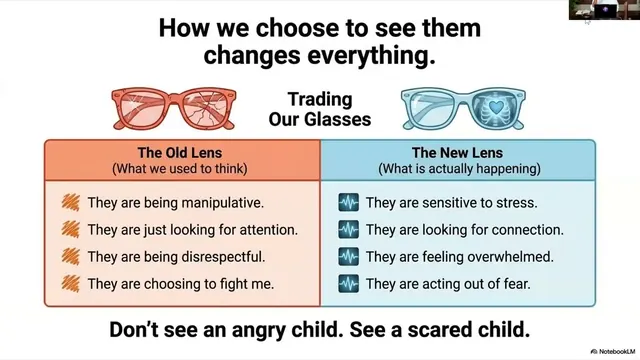
- Don't assume negative motives. “Rejection is not about you.” Teenagers are not using you, they are dependent on you, and asking for a ride can be their way of reconnecting.
- With lying or stealing, be curious instead of accusatory: describe what was found, avoid labels and ask, “Help me understand what happened here.” If a child says “you always think I'm bad,” shame and belonging have entered the conversation.
- Repair starts with the parent: “I should not have spoken that way, I want to listen.” And caregivers need support too: share one task, contact one trusted person, and schedule recovery time.
Transcript Show full transcript +
0:00Good morning, everyone. Thanks for being here. I'm Jeanette Yoff. I will be your facilitator this morning and presenting on the Parenting Decision Lab. I am Jeanette Yoff. I am the clinical director here at LEAF Wrap-Around and we work with families connected by foster care and adoption. We provide wrap-around services for families that have adopted children from the foster care system and I come here with many years of experience being a therapist in the field of foster care and adoption as well as having lived experience growing up in foster care and I was adopted. So this conversation we're going to have today is an interactive conversation.
0:50We are going to have real family moments that I can imagine many of you experience on a day-to-day basis. We have eight categories with four questions per category and I would like to hear from the audience that's here today when we are going through the questions to help us process together the paradigm shift. Our president is Bryan Post. He developed the stress model helping us understand how all stress is a form of a communication of an unmet need and these kids have many unmet needs especially if they have come from adverse childhood experiences, traumatic experiences, not just overwhelming terrifying experiences and we will talk more
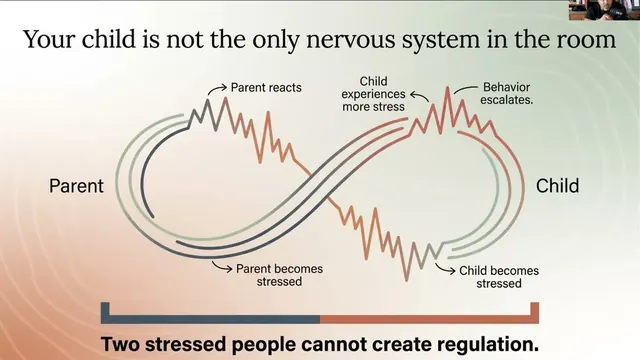
1:42about that. So we have five sections we're going to talk about that stress model first then eight parenting cases to work through together. There's the stress model how the body stress response works and why you as the parent calm adult changes it. Your regulation regulates a child out of dysregulation. You are the model you are what Brian says the thermostat and there's positive stress understanding what that is brief normal reactions that are essential for healthy development. I'm having some positive stress feeling good about this training wanting this to be good that's positive and there's tolerable stress that could be stronger longer
2:32reactions buffered by supportive adults tolerating multiple experiences toxic stress is what we want to avoid and that's prolonged adversity experience without a buffering relationship and let's get into the parenting cases eight fictional situations or discussion questions each so understanding toxic stress there are three types of childhood stress and what we're teaching here at LEAF Wraparound is responsive loved based caregiving this is best practice you cannot do traditional parenting with a child who's experienced an
3:17untraditional childhood they need a different approach so what is toxic stress it occurs when a child's stress response systems in the brain and body are activated excessively or for a prolonged period of time without a supportive adult to help calm the response so if we have a family who's living in fear there's domestic violence happening in the home the children are witnessing this and the caregivers are in a very stressful situation of domestic violence there's no one helping the child experience what they're seeing and help them make sense of it so it gets stored in the body and this toxic stress will need to be acted out in many ways because
4:09it gets repressed emotions that are repressed must be expressed some way and guess what with these kids it's not pretty it's actually undesirable behaviors that we see so the activation of that stress response is normal we need to accept it and embrace it okay my child's experience trauma I must embrace they're going to get stressed they're more vulnerable their stress will look very big and it's a protective part of their biology they're just trying to keep themselves safe they'll have increased heart rate elevated blood pressure and stress hormones like cortisol in a healthy response these reactions are brief and return to normal quickly but for these kids
4:58it disrupts their brain architecture it impairs connections for language you can see kids are trying to get the words out but the brain can't catch up to the cortisol in the body that's flooding the brain they just can't and the brain is not accessible for thinking logic attention and most importantly decision-making and a lot of parents who don't understand toxic stress are saying tell me tell me tell me and they see the child's stress the more you try to get them to tell you the more stress they're going to be and the whole brain system will collapse and you will see a child with a fight flight or freeze response it also toxic stress raises lifelong health risks
5:49it increases the risk of stress related diseases well into adulthood and that's called adverse childhood experiences there's been an aces study that kids who live in toxic stress can become drug users substance abuse you or users have high blood pressure also have diabetes so there's health risks involved with toxic stress what's most important is toxic stress is buffered by relationships and that's having a caring understanding responsive adult that calms that stress response so fast facts not all stress is bad there are three
6:36types toxic tolerable and positive such as a child receiving a vaccine while a caregiver comforts them that's positive stress we're meeting the health needs of the child yes no one likes to get a shot but we have a parent there helping them through it yes we can do this we have something to look forward to maybe a great lunch or a lollipop toxic stress raises that health risk children who experience toxic stress face greater risk heart disease diabetes and depression its effects can be reversed what is incredible about the brain research is the brain has what's called plasticity think of it like a rubber band right now the rubber band can be crumpled because
7:21there's so much toxic stress but when we really learn to expand our box of thinking we can change the brain and expand the and reverse the impact of what trauma happened and occurred so reducing the exposure to toxic stress providing safe stable environments can prevent or reverse its damaging effects so three types these terms describe what happens in the body stress response systems not the stressful event itself positive stress normal brief reaction essential for development brief increases in heart rate and mild hormone changes for instance first day of
8:06child care for an immunization with a supportive caregiver nearby or you present as adults you have a presentation at work that's positive stress you're working and you're doing something good tolerable stress this is more severe these are levels longer lasting reactions that activate the body's alert systems to a greater degree so this could be the child loses a loved one or the whole family loses a loved one or a pet dies it's going to be a stressful event and together you learn how to tolerate that experience a natural disaster so it's the
8:53when children are buffered by adults who help the child adapt adapt to the situation and what's called time in and helping them make sense of what's happening and one of my favorite phrases is what's shareable as a family becomes more bearable and that's tolerating we're going to bear this together and then what we want to avoid is toxic stress and that's strong frequent or prolonged adversity experience without a supportive relationship to buffer it and that is related to abuse chronic neglect exposure to violence or ongoing family hardship and life happens we know this life happens and that's why we need natural supports
9:45and that's what wraparound provides we provide you with a clinician a coach a parent coach and a facilitator that helps provide resources for you yes okay so a closer look this came from the harvard school of child development these three types of stress so what triggers toxic stress it can occur when a child faces strong frequent or prolonged adversity that's physical or emotional abuse chronic neglect caregiver substance abuse exposure to violence climate driven extreme weather events accumulated family economic hardship experience without that supportive relationship
10:32to buffer that stress so without that buffering support this response can disrupt that development of brain and organ systems which impacts learning health and well-being that can last a lifetime the more adverse experience a child accumulates the greater the likelihood of developmental delays and later health problems including heart disease diabetes substance abuse and depression so cases eight fictional situations with four discussions questions each we're going to go through these categories school refusal anger and escalation rejection of affection lying or stealing resistance to therapy adoption and identity repair after conflict
11:22caregiver burnout okay so school refusal may may you you may have experienced this this morning it's 7 20 a.m the teenager refuses school the parent repeats the expectation the teenager raises their voice and returns to the bedroom i am not going to school okay question number one so what i want you to do is you can put your answers in the chat so i can see the different answers a b c or d and we're helping you change your paradigm putting on a different lens lens of stress and seeing how a parent needs to respond in different situations
12:10so number one what should the parent try to understand first a what feels difficult about school today b whether the teenager is avoiding a consequence c how quickly the parent can get the teenager moving d whether the school should be contacted now a d that a d okay a is the correct answer because we're leaning in we're understanding there's something driving this behavior and we need to understand it what is difficult d is more logical oh it's okay it's good to have different
12:58answers because then i can explain differences because we will have different answers here we go with question number two what would you be most likely to say first as a trauma informed responsive parenting a you are going the discussion is over b if you stay home you lose your phone c we can talk after you get dressed d what feels impossible about going to today oh we've got look at you everyone chose the correct answer it is d fantastic i think i have a group here that understands Fear to Love okay next the teenager locks the door what should happen next
13:50oh someone said b if you stay home you lose your phone let's talk about that that's called oh sorry was that 3b so number two i have two b's okay yeah if you could now because i'm seeing multiple letters put the number first and the answer so for number two i had some b's and so consequencing in the moment the brain is already flooded they don't understand consequences they don't understand that and that's only going to cause more stress and taking things away or a child who's had so many things taken away is only going to induce more stress and taking
14:41something away is considered a threat if anyone feels threatened you're going to have more stress so in those moments that's not when you're consequencing threats threats cause a toxic tailspin with this population you can deal with what the limits are later right now you're focusing on regulation there are those are two separate things to think about the first step is regulation okay three so for three i have two someone wrote c now i can't go through everything we can talk after you get dressed so we have a child who's not able they've already returned to
15:32the bedroom they flipped their lid they're not receptive right now we're talking it's let's get to the feeling there's no logic what are they feeling what's so hard about going to school today wow we need to go into the body not into the brain because the brain is offline okay three the teenager locks the door what should happen next a continue the conversation through the door b check safety lower pressure and return after a pause c announce a stronger consequence d ask another adult to persuade the teenager now and see what we have b we're on question three and i have three b look at the look at the
16:20question the teenager now has locked the door we need to be sensory detectives we need to be owls observe watch and listen we need to be first responders think like a first responder so what would the answer be for ray b safety check safety lower the pressure it's like we're the fire we want to be a source of comfort not to stress four what could make the next school morning easier a set stronger consequences the night before b avoid discussing school until the morning c agree on an
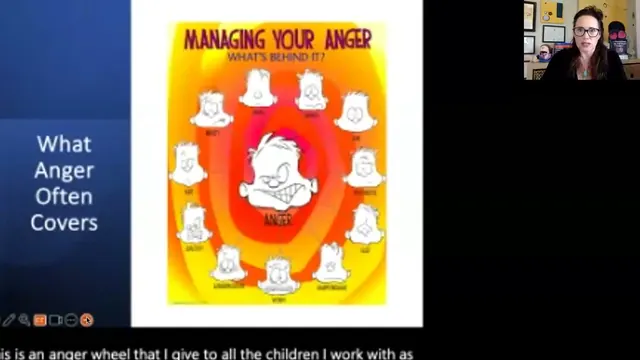
17:08early warning signal and two choices d let the teenager decide whether attendance matters or what could make the next school morning easier you want to think ahead c is correct agree on an early warning signal ray b so this focus understand the barrier reduce the pressure and plan before the next difficult morning great we're doing great next slide okay anger and escalation anger anger anger the parent asks the teenager to stop an online game and complete a household responsibility the teenager yells pushes the chair away and moves toward the bedroom
17:57you always ruin everything one what deserves the parent's attention first a the disrespectful words b immediate safety and the level of escalation c the unfinished household responsibility d the amount of time spent gaming one b great and yes we need to assess the amount of time spent gaming definitely definitely someone said earlier what if the child does not want to go to school every day we need to lean in and be real curious what's going on at school
18:43schools are not trauma informed they're not they don't front load they don't understand the brain trauma response schools need a lot of education and not all schools are good are the right fit for certain kids some kids need more individualized attention the environment may be too stressful these kids are sponges through their sensory through the senses they're picking up so much their sensory sponges the lighting could be too intense the noise could be too intense kids are bumping into them so we need to really sit with a child and understand what is going on
19:31in school and meeting their needs if they don't have a 504 plan they need that that's the first thing you do before an IEP which provides accommodations and schools we have to be on top of it we have to be our child's advocate I also have a child with a disability and we have to ask schools to do the right thing so it starts with us all right so here we are with one a just want to make sure i'm dealing with the questions in the chat what deserves the parents attention first be immediate safety and the level of escalation the level of escalation what if a parent is a sensory sponge parents need you need to have a daily dose of you need to first
20:25define what's my heightened sense is it noise what are you doing to soothe auditory input if there's too much stimulation for you how are you lessening that stress in your environment so it doesn't feel toxic it's the parent needs to take responsibility over their own reactivity and Fear to Love parenting paradigm okay two which response is most likely to reduce the pressure a raise the parent's voice so the limit is clear b take the controller immediately c lower the voice create space and state one limit d explain every reason behind the rule
21:13two two c c yes you're the thermostat you're the model we make prominent what we make prominent that's how powerful you are it's how powerful you are just think about that that's how powerful you are okay three the teenager slams the door what should happen next oh wait wait didn't we just do this i'm confused oh it's another one so checks we already did this check safety pause and explain when you will return follow the teenager into the bedroom it's a little bit different continue the lecture from the hallway cancel all expectations for the rest of the day
22:02yep it's it's hard in the moment you are correct and i want you to find a grounding tool for yourself you must find a grounding tool i will often stop everything pause even imagine myself with uh first responder gear because the first responder is going to come and go what's going on here right you need to find a resource something that puts you in that gauge of being an owl staying in a source of calm planting your feet planting your feet like roots of a tree focusing on your breathing you must find a tool okay so yes the answer is a
22:47in the last question in this segment what should the later conversation focus on a receiving an apology first b increasing the consequence c providing that the parent was right d understanding the trigger and planning for next time that's correct it's d conversation conversation we're having here is safety and regulation come before problem solving that's later you will get there you need to think of it it's like a bridge right now you're at the beginning of the bridge you can't get to d you're at a that's where your child is right now where your child is right now you can do this it will help them in the long run to be
23:38successful in life you need to learn how to tolerate stress you really need to tolerate learn how to tolerate stress and if you don't you will continuously flip your lid you will not be able to have any relationships because you're the source of distress great okay next slide and i'm going to open it up to share a story after this next slide if anyone wants to share so next slide it takes practice this takes practice it's easy to say the correct answers you're right and i want you to role model at home i want you to practice before your kid comes home from school go all right and think about the most distressing behavior for yourself
24:23and go okay this is how i'm going to respond and you need to embody it and feel that and say it out loud in your home practice practice okay rejection of affection the teenager returns home after a difficult day the parent approaches and offers a hug the teenager pulls away and asks to be left alone don't touch me leave me alone one what might the teenager be communicating a a need for physical space b emotional overload c fear of closeness or rejection d several meanings can remain possible all of them all of them it's not about you one of my favorite phrases again rejection is not
25:12about you it's about what your child is going through don't take it personal and it's really stepping back and being that owl observe watching listening and going huh let me think about my child's history wow they had three caregivers of course they fear closeness or rejection again especially if they're a team thank you number two which response protects the boundary and relationship a fine i will stop trying b i will give you space and i am still available c you need to let me comfort you d tell me why you are acting this way that's right
26:02b we respect equanimity someone wrote earlier we respect this is what's called a boundary don't touch me as a boundary i know what my body needs gets what these kids know they're not ready yet i will give you space and i am still available i am still available i'm here i'm understanding we've reached the level between tolerable and toxic stress i understand three later the teenager asks for a ride what might this mean a the teenager forgot the earlier rejection b the teenager is using the parent c connection may feel safer and through practical help d the
26:53teenager is ready for a serious conversation a lot of these kids don't know how to ask to be in a relationship and they will find other ways to connect so the answer is c c it's easier to ask for practical help and that's their form their way of repairing but i will say this as an attachment family therapist it is the parent's responsibility to repair their child now someone said all of the above you need to sit back and think about that right and you can always ask a teenager is dependent i want to rephrase if you're thinking your teenager is using you
27:42guess what you're gonna start thinking negative motives my child's now you're placing a negative assumption on your child i want you to reframe but i'm different lens teenagers are dependent they're dependent they're not using you they're dependent on you they need you you're their source to the world okay four what could the parent offer next a affection only after an apology be complete distance until the teenager initiates c repeated emotional check-ins during the day d talking nearby presence or practical help what could the parent offer next
28:28d everyone i see a lot of d's c can feel correct too definitely however we want to be mindful that we want to respect their boundary that could be feel intrusive repeated check-ins and then it becomes more about meeting the parent's need to know when the child is ready to come back and return as opposed to respecting the boundary that the child has set they're not ready to return yet so for some yes be complete distance some kids really need autonomy and you know your child best what we're doing here is really just helping you reframe how you're looking
29:16at your child so when you see your child you're not assuming negative motives you're looking at them through the lens of stress and focusing on safety connection and being emotionally available when they return okay so there's a quote i want to say right now the child who obeys anyone out of fear will one day lie to that person for their own freedom the child who obeys you out of fear will one day lie to you for freedom and that's not what we want kids to do hide be alone in their distress so you really need to be aware of your own stress response and regulation
30:08regulation is not something you teach it's something you model and we all need to survive when we're stressed we all need to survive when we're stressed okay so anyone want to share a story or next slide please anyone want to share a story before i move on to the next or are you having an aha moment are you wow something shifted in me tell me raise your hand and we will unmute you okay all right let's go lying or stealing
30:55twenty dollars are missing the parent finds the money in the teenager's backpack teenager denies taking it and reacts to the accusation you always think i'm bad and i always ask parents step back and just repeat in your your mind you always think i'm bad this is how they're thinking about themselves one what may be behind the behavior a fear of punishment b a need for security or control c peer pressure or another unmet need d the parent does not have enough information yet the parent does not have enough information yet we tend
31:41to assume negative motives all the time do we have any idea what this is about we don't know what we don't know we don't know we need to be curious lean in without defining the behavior right away we need to lean in let me be curious about this so two how should the parent open the conversation a demand a confession b search the teenager's remaining belongings c describe what was found avoid labels and ask d announce the consequence before listening c acknowledging i'm recognizing that twenty dollars is missing and i found it in your backpack
32:28help me understand what happened here what's going on right you can ask for twenty dollars help me understand what twenty dollars was for one of my other trainings i taught pace p a c e p is be playful playful in any situation think like a first responder i'm going to be curious a i'm going to accept the child i mean i don't accept that they stole and i'm going to help them with that but i'm not going to blame the child i may be upset and blame the situation that my child in my mind as a parent doesn't know how to ask to get their needs met yet great i'm going to teach them you can ask me for twenty dollars you don't have to go and steal it don't
33:16start threatening and i'm going to be pretty firm about this in Fear to Love the minute we start threatening you're a liar you're a thief you're gonna go to juvenile hall you're gonna end up in residential treatment center i'm gonna send you back into the foster care system you bet your parents say this to kids hmm what are we inducing and it's not in your best interest parents we're inducing not just tolerable stress toxic stress you can induce positive stress and listen positive stress is having these conversations that are not easy to have as a parent sometimes like i i need to tell my child i found twenty dollars in his backpack
34:06okay i do i need to be responsible i'm not going to be accusatory i'm going to be curious okay three what changed after you always think i'm bad a shame and belonging entered the conversation b the teenager proved their guilt c the missing money no longer matters d the parent now needs a stronger consequence kids project on us all the time how they believe and what they think about themselves if a child says you always think i'm bad guess what they believe they're bad at their core and that's called shame and the fact
34:54that they're this situation they're blaming the parent the parent may be inducing a sense of shame in the child for not being able to communicate and unmet need and ask for twenty dollars yet they just don't know how it's a shame and belonging entered the conversation they're projecting their shame they don't have a sense of guilt they don't understand cause and effect yet shame guess what research impedes the development of guilt so we need to lean in go i'm so sorry you think and believe that you're always bad that's not what i want you to feel we're going to learn from this
35:42we're going to understand that gonna help you ask to get your needs made and that's not shameful that's something that we all get to learn and i love you and i care about you and i see the good in you and pointing out strengths one of my other techniques is the shame which separate the child from their behavior it's a training we did two months ago all these trainings if you could put them in the in the chat the hub resource page with all of our trainings so that everyone can review the other trainings as well okay four what should accountability and repair include a a public apology to the family b a consequence without further discussion
36:34c ignoring the incident to protect the relationship d replace the money discuss what happened and plan d that's right it's d it's d we will learn from this in next slide okay resistance to therapy the parent introduces the possibility of meeting a new therapist the teenager refuses and refers to previous experiences with support i'm not talking to another stranger one what could be behind the resistance a distrust of adults or professionals b fear of judgment c a lack of control over the process d more than one of these factors
37:26all resistance is about fear and we need to to owl and lean in what is this fear about tell me help me understand was there someone you talk to and use their language that felt like a stranger who was that tell me more about that then you'll be able to understand where is this resistance coming from something may have happened in the past or the previous therapist and that needs to be repaired made sense of you're the buffer helping them through that experience so that they can begin to think about seeing a new therapist to what is a useful first response a explain again why therapy is necessary b schedule the
38:19appointment without telling the teenager c ask what felt unhelpful and what could feel safer d cancel every form of support c lean in and be curious what was unhelpful and what could feel better the next time three the teenager wants the parent outside what next a refuse because the parent must hear everything b consider it if the provider and safety plan allow c require the parent to attend the full first session d withdraw the referral okay I'm going to repeat the question the teenager wants the parent outside now for those of you
39:08who don't know youth over the age of 12 in the state of California have the right to consent to their mental health treatment they have a right to consent to however way they would like it whether individual or family so parents if a child youth over the age of 12 says mom and they may not even know their rights but this these are their rights it is b consider it if the provider the therapist may say you know what let's have mom come in for a few minutes which is what I often do so she can understand what therapy is we can answer questions together but we need to follow the child's lead well the teen's lead and the provider
39:58and if the child the child the teenager may be communicating I don't feel safe being vulnerable with my parent yet okay yes so if you go to leaf wrap around dot com there's a hub link resource page videos if if Diego you could put that link in the chat that would be great so many other great videos there okay four which decision could give appropriate control a whether safety expectations apply b whether every detail remains secret c provider format or first
40:44question to ask d whether the family follows recommendations a that's correct we need to understand that this resistance to have a parent come in the session may be about safety concerns therapy is not having secrets children need teenagers need their own space a sense of autonomy agency control where they feel safe to share whatever it is they need to share in our philosophy the focus and goal is always family therapy we're not we want to bring in the parent in the therapy session that should be the goal for any child because children parents
41:33need to know what's happening for their child and children need to be able to communicate in healthy ways in a family therapy session what's concerning to them what they need what what's could be overwhelming them in their caregiving so there's communication which creates bonding and attachment so we want to give the teenager a voice while preserving appropriate safety limits next slide okay adoption and identity this is the last one during an argument the teenager questions the parents place in the family later the teenager asks for information about their birth family you are not my real parent i remember when i told this to my parents i think i was 13 one what may be present beneath the statement a anger related to the current
42:26disagreement be brief or questions about identity see fear of losing and belonging d more than one of these experiences that's right it's d it's d uh identity is very complex for a teenager this is actually an adolescence when they really start thinking about genetics and where they came from and who i am and they can get stuck in what's called arrested development and identity and these kids will have a hard time launching because they don't know where they've come from so they need answers to questions with an adoption competent therapist and i have a whole
43:11another training on that you want to go to my youtube channel my youtube channel is actually called genet dash itically genetically i c a l l y speaking and i have many videos on there about helping a child make sense of their identity and understanding what's called genetic mirroring when we don't have someone who looks like us we get confused about who we are we need to see others who look like us and very very important if diego you could put a link to that it's on youtube i'll just put the name and you can copy and paste it in youtube and be confusing okay here we go
44:01okay two which response is most likely to keep communication open a correct the teenagers terminology immediately b defend everything the parent has done c acknowledge the pain and remain available d end the conversation until an apology is offered any adoptive parent you will be told and you should have this stated to you when you adopt a child your child will say to you and look at you one day you're not my real parent and what needs to happen first is connection that's right see acknowledging that pain and what needs to be said in that moment is i'm so sorry you could not live
44:48with your and we use politically correct terminology your family of origin i'm so sorry you could not live and grow with your parents your birth parents i'm so sorry for your loss you're right i'm not your birth parent i'm your parent now i'm the parent who adopted you we need to lean into that pain yes i have a video called what it's an animation called what is adoption it's on my youtube channel and i talk about that pain not me it's an animation all right three the teenager requests birth family information what next a change the subject
45:34b promise to provide every detail c ask the teenager to wait until adulthood d explore the questions and provide appropriate support that's right it's d it's d we need to explore the questions with them and some one of my interventions is the question box of course you're gonna have lots of questions about your birth family let's create a question box get a box that has value some special box this is this box about their birth family they could decorate a box and then get index cards and have them write all the questions it's in that animation video and then i have a whole video for parents
46:19how to answer these questions age appropriately all right four which message supports identity and belonging a you can care about your birth family and belong here b we are your only family now c talking about your past hurts this family d you need to decide which family matters most that's right it's a it's a it's a very important to tell kids you can have love for all your families you don't need to choose and i'll tell you something kids that were even abused still want to return to that family it's true because it's their birth family and it gave them
47:10a sense of belonging they can belong and feel connected to all their families yes so we want to make space for identity questions without creating competition between families because that's going to cause an eternal stress i have to choose they're going to feel conflicted and that's going to impact their learning their ability to think through and anytime they have thoughts about their birth family they're going to have to push them down which is going to cause more stress okay next slide oh there is one more and that's repair after conflict the parent and teenager said hurtful things during an argument they have avoided each other for the rest of the day
47:57neither person knows how to restart one who can begin the repair a the teenager because of the disrespect b the parent can model repair without excusing behavior c the person most responsible for the argument d both should wait until this incident is forgotten b the parent comes back and acknowledges well he said some hurtful things we not just you we the parent takes responsibility over their own reactivity and models that and talks about it so too which opening to talk about it is most useful a i'm sorry but you made me angry
48:45b we both said things so let's move on c i should not have spoken that way i want to listen d are you ready to apologize that's right it's c the parent takes responsibility first they're learning from us when i first learned this paradigm my son was three and i had a reaction we're human and i got down on his level and i said i'm so sorry mommy yelled i really want to say i'm sorry for my yelling and my son said nope not yet and then like a minute later he goes
49:30okay you can apologize now and he learned from that i yelled i'm sorry kids are watching us they are you don't even have to teach you don't have to sit and teach discipline you show self-discipline three the teenager is not ready to talk what next a require the conversation immediately b continue asking until the teenager responds c stop trying to repair the relationship d allow time and explain when you will check back that's right it's d allow time allow the brain
50:16to regulate allow the brain to settle allow yourself to settle you're not ready to come in to a relationship yet four what does meaningful repair include a an apology without discussing the incident b a consequence for the teenager c returning to normal and avoiding the subject d an apology listening and a specific plan moving forward d that's right that's right because when you apologize i can guarantee your child's going to do the same and that's what you want so parent accountability reconnection and clear expectations can exist together next slide
51:08oh yeah this is the last one okay caregiver burnout the caregiver notices increasing irritation dread before difficult interactions and less patience the caregiver feels responsible for managing everything alone i feel responsible for everything one what does this pattern most likely signal a the caregiver no longer cares b the teenager's behavior is becoming impossible c the caregiver needs support and time to recover d the family should remove all expectations that's right it's c the caregiver needs support and that's a caregiver's responsibility find a
51:56listening partner someone you call that just listens they don't give you unsolicited advice they don't talk you out of it and you tell them this is what i need please i just need somebody to listen because i'm not ready to go into therapy or go into therapy it will make you a better parent because you also need to make sense of what happened or didn't happen for you in your family of origin because that could be impeding your ability to parent your child two what is a realistic first step a continue handling everything alone b share one task and contact one trusted person c wait until the situation becomes an emergency d ask the
52:43teenager to resolve the family stress b share a task that is overwhelming for you contact someone you can talk to three which boundary could protect the relationship a stop communicating during difficult periods b cancel all family routines c schedule recovery time and establish a backup plan d hide the exhaustion from everyone c that's right at leaf wrap around we provide respite for parents get some time away this is hard parenting a child with the trauma history is very very hard and can cause toxic stress in the parent
53:31if you don't take care of yourself or when should the caregiver request more support a when stress repeatedly affects self-regulation b only after a family crisis c only when the teenager requests support d only when another family member notices that's right a a is correct your regulation is most important or else you're not going to be able to regulate your child so caregiver support affects the ability to maintain safety because you will flip your lid and it will be hard for your child to come to you to connect okay and our last slide
54:17so thank you for being here keep the conversation going shoes love is our motto so supportive responsive relationships with caring adults can help prevent or even reverse the damaging effects of toxic stress that relationship can be you so thank you so much for being here i hope you found this helpful i hope you had new thought processes here changing your paradigm putting on a different lens really stepping back and taking responsibility so that you can teach that in your child fantastic and i'll have a handout also of brian quote brian posts
55:06favorite quotes that i did share with you today so that you can have that and put it on your fridge all right okay thank you everyone and hopefully we'll see you at the next one fantastic i wish you all well